

2026年6月1日
By
3114603511
As agarwood gains popularity, the market is flooded with counterfeits: chemically soaked "scented wood", dyed ordinary timber, high-pressure resin-injected imitations, and more. These fake products not only lack the therapeutic benefits of natural agarwood but may also contain harmful substances that pose health risks with prolonged exposure. Many new buyers end up spending top dollar on fake agarwood that causes headaches or discomfort — a costly and disappointing mistake.
The difference between real and fake agarwood lies in aliquots of details. Natural agarwood’s fragrance, grain, and texture are nearly impossible to replicate artificially. With these core identification techniques, even beginners can avoid 90% of common scams without professional tools. Don’t be fooled by "ultra-low prices" or "sinkable wood" gimmicks — learning to verify authenticity is the only way to invest in truly valuable natural agarwood.
"The fragrance of authentic agarwood cannot be faked. Its gentle complexity is a warmth that imitations can never replicate."
— Elias Voss
Focus on these key dimensions to quickly rule out fakes:
- Scent Test: Natural agarwood has a mild, multi-layered fragrance that remains pleasant even with prolonged use. Fake agarwood smells sharp and chemical-laden, often causing dizziness, and its scent fades quickly.
- Grain & Texture: Genuine agarwood has irregular wood grain with uneven resin-rich patterns. Fakes feature rigid, uniform lines or unnatural gloss from dye or injected resin.
- Weight Check: Real agarwood has noticeable weight from resin content but is never excessively heavy. Counterfeits are often too light (ordinary wood) or unnaturally heavy (resin-injected), with a sticky or greasy feel.
- Burn Test (for chips/incense): Natural agarwood burns slowly with thin, light smoke and a clean aroma, leaving fine, powdery ash. Fakes produce thick black smoke, acrid chemical odors, and clumpy black residue.
- Price Reality Check: High-quality natural agarwood is rare and never cheap. "Ultra-low-priced sinkable agarwood" is almost always a scam — if it seems too good to be true, it is.
- Buy From Trusted Sellers: Choose vendors with clear sourcing and quality guarantees. Avoid impulse buys from unregulated stalls or unvetted live streams.
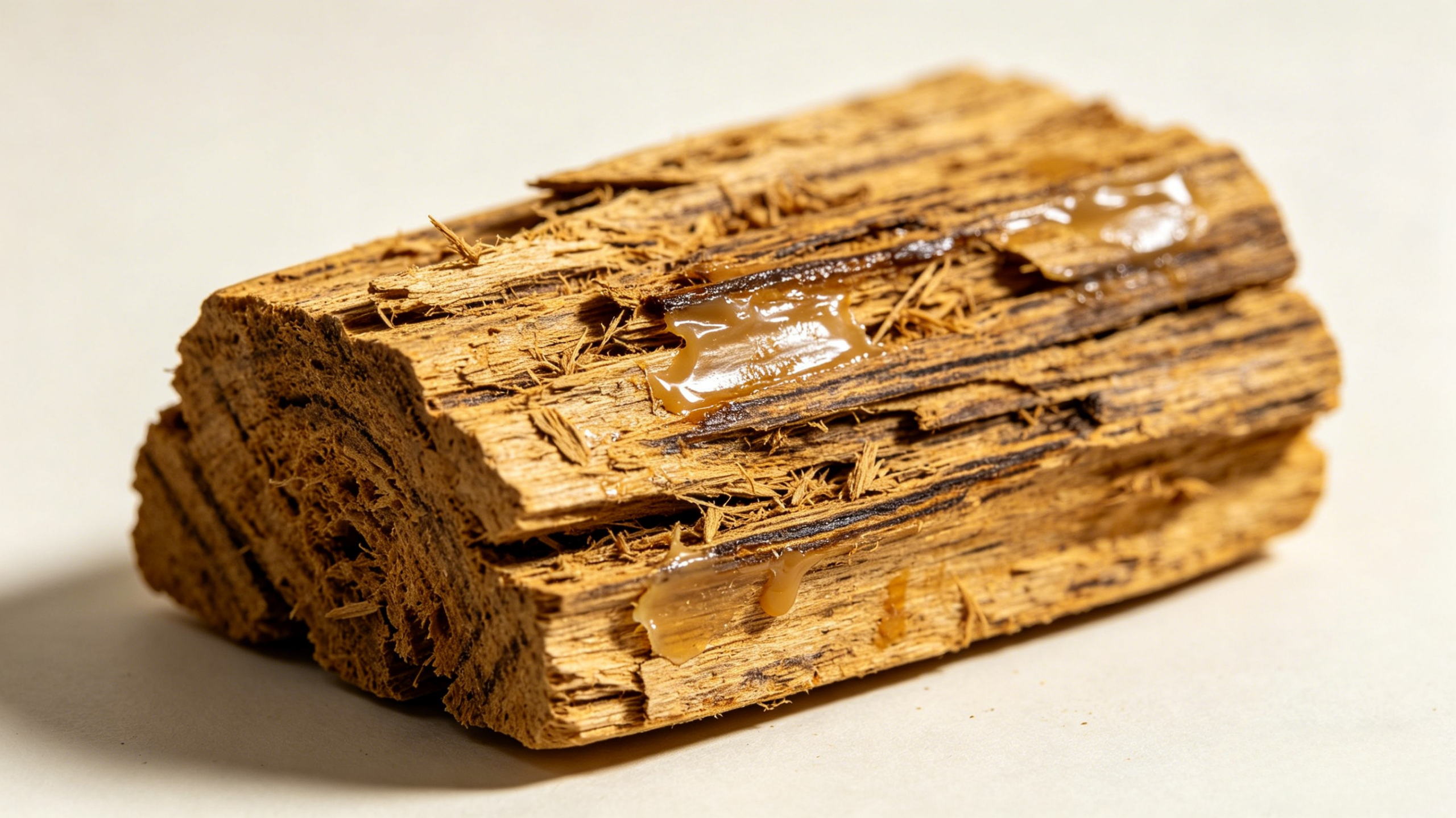
At its core, buying agarwood isn’t about chasing "sinkability" or "kyara" labels — it’s about pursuing natural, pure fragrance and authentic texture. Learning to spot fakes is the key to avoiding scams and enjoying the true therapeutic benefits of genuine agarwood.